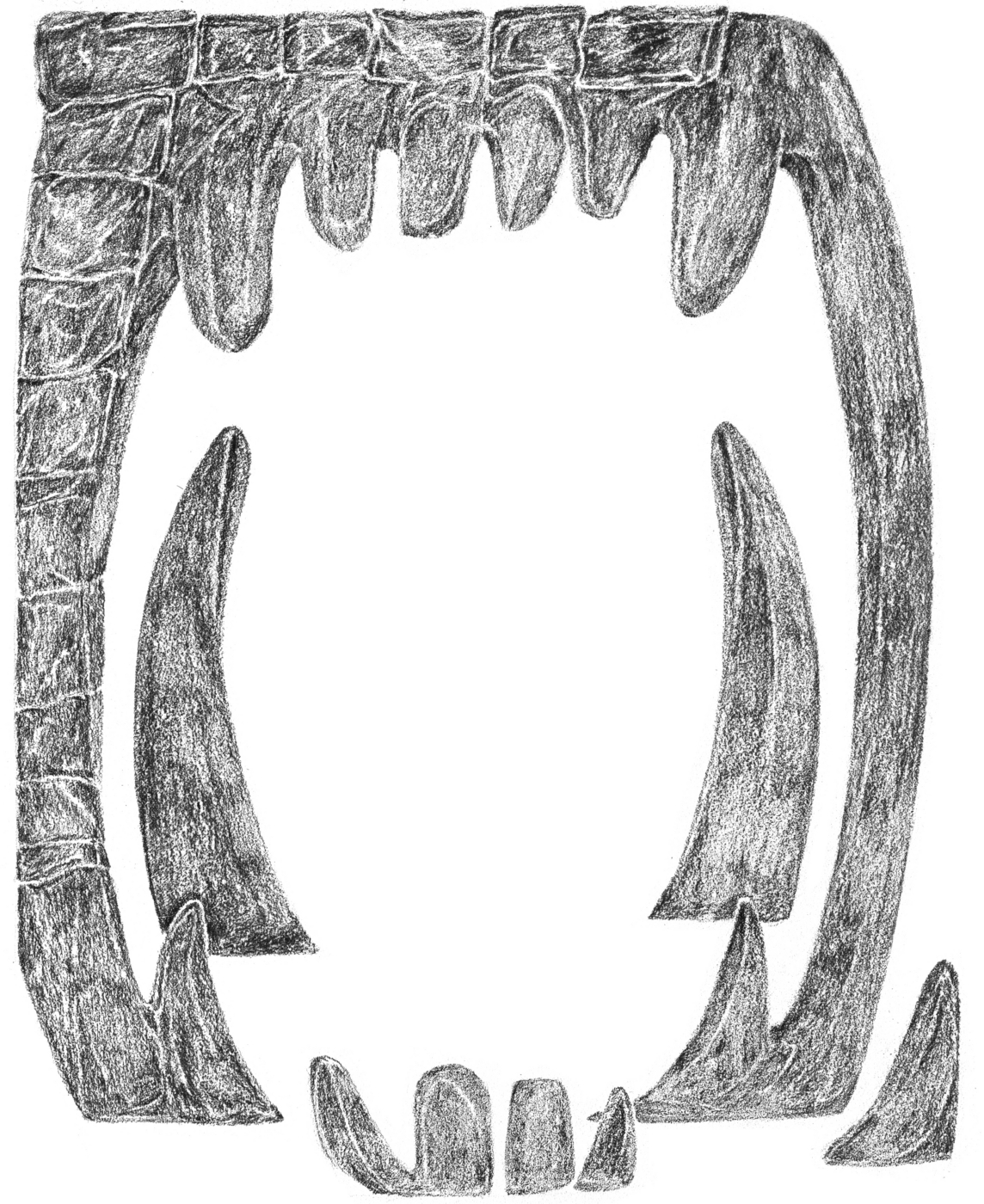

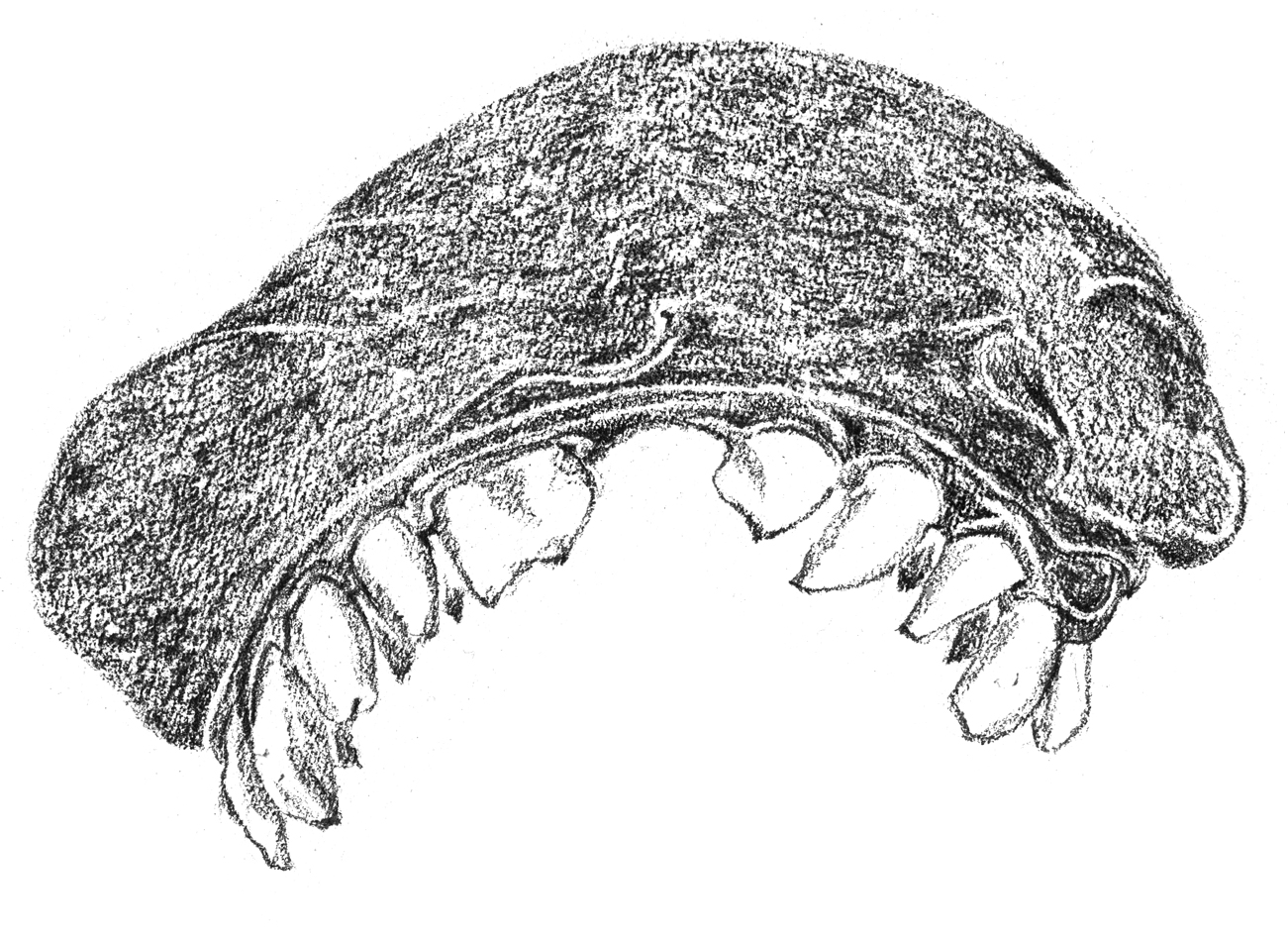
The abstracted mouth of a gigantic monster opens to reveal a labyrinth-like interior. Oscar Peters is not the first artist to play with such an entrance: visitors to the 2024 Surrealism show at Centre Pompidou in Paris made their way through a huge open mouth complete with teeth. It was a reconstruction of the entrance to L’enfer (meaning ‘hell’), the legendary Parisian cabaret café where artist André Breton and friends used to hang out in the 1920s. Here at Monopole, you do not quite enter the underworld, but rather a land where Peters plays with our fears of evil surrounding common notions of hell.

Hanging from a tree-like structure are three rubber skeletons that wobble in a way that is somehow both frightful and comedic. Many animated films make use of this same visual language – crooked gravestones, driving rain, flashes of lightning and screeching cats. The bare tree with dangling skeletons is another example, often appearing just before entering a haunted house. Oscar Peters is interested in the clichés that characterise these films, magnifying a single element to demonstrate how important its symbolism is, and how it contributes to the build-up of tension.

Mazes and labyrinths provide us with a quest with constant obstacles and choices to be made. The corridors of this large, green structure lead to the far end of the room, but its walls rotate slowly to create a sense of disorientation – can you remember where you are without turning back? This tension links to the fundamental fear of getting lost and, eventually, even losing our minds.


Snapping mouths loom menacingly above the green maze. They are the claw grabbers we know from funfairs, but transformed into mouths, playing on our fear of being eaten. Although this may sound rather unrealistic, it is a primal human fear – being eaten, swallowed up, or even being spat out into a different world, as is a common theme in comics and games. For Peters, it symbolises the fear of being overwhelmed by something bigger than ourselves, but at the same time, as anthropologist Ernest Becker (1924–1974) argues, life cannot survive ‘without organisms eating one another’.
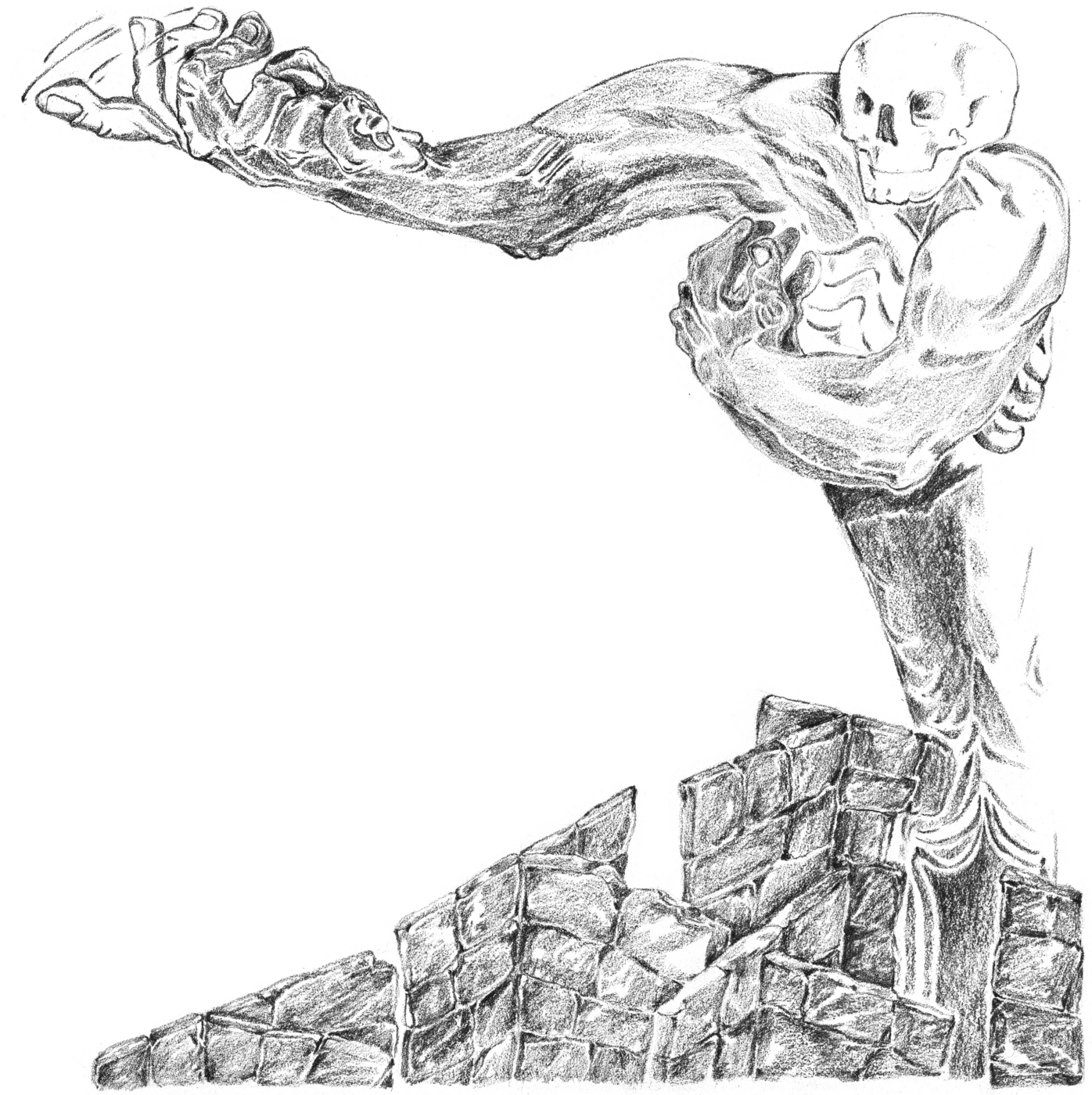


At the end of the maze stands a metre-tall wooden skeleton with a radiant halo around its skull, and its arms open in an inviting gesture. This personification of death stands on an abstracted ticket machine where visitors can symbolically buy tickets to the end of their existence. Humans know that death is inevitable and ever-present, just as this enormous sculpture remains visible at all times and from every angle within the space. Yet, with the help of religions, stories and beliefs, we continue to seek ways to try and escape death.
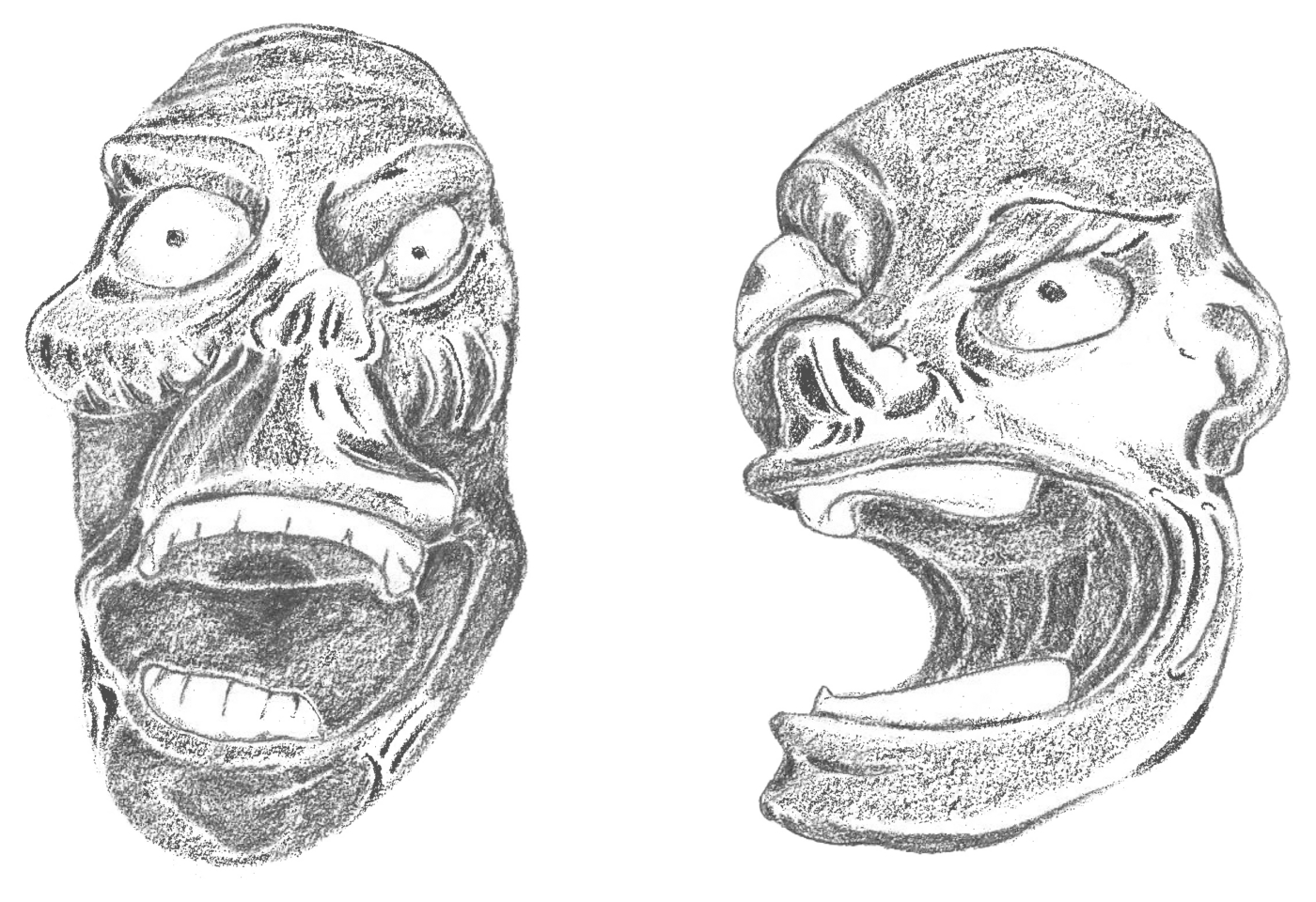

High up between the windows hang six different-coloured faces that seem frozen in a blood-curdling scream. In the Middle Ages, churches and cathedrals were often decorated with ‘grotesques’ – contorted stone faces intended to protect a building from evil. Peters bases his on rubber hand puppets that were popular in the 1980s and ‘90s, but are now rare. Their expressions combine shock and horror in reaction to everything happening beneath them.
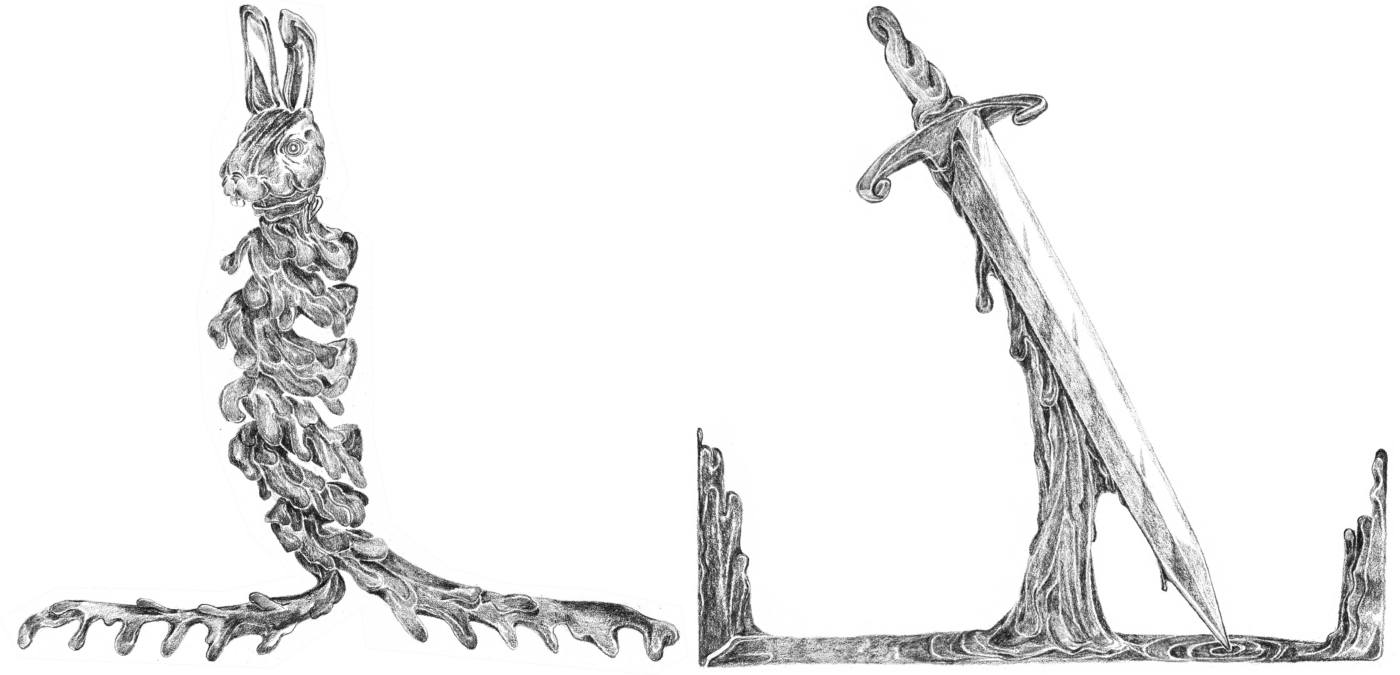


A severed golden rabbit’s head spins endlessly round and round as the strands of blood-red fabric hanging from its neck sway gracefully in the air. On the other side of the balcony hangs a sword that is far too large, blunt and heavy to be of any practical use. The head and sword resemble objects you might encounter in a video game, where they can signify either a setback or a gift. For Peters, they also relate to classical sacrificial rituals that are often depicted in a grotesque way in horror stories and comics. By dangling these exaggerated objects here, the artist pokes fun at the violent rituals that can reveal what people are capable of, especially when driven by fear.
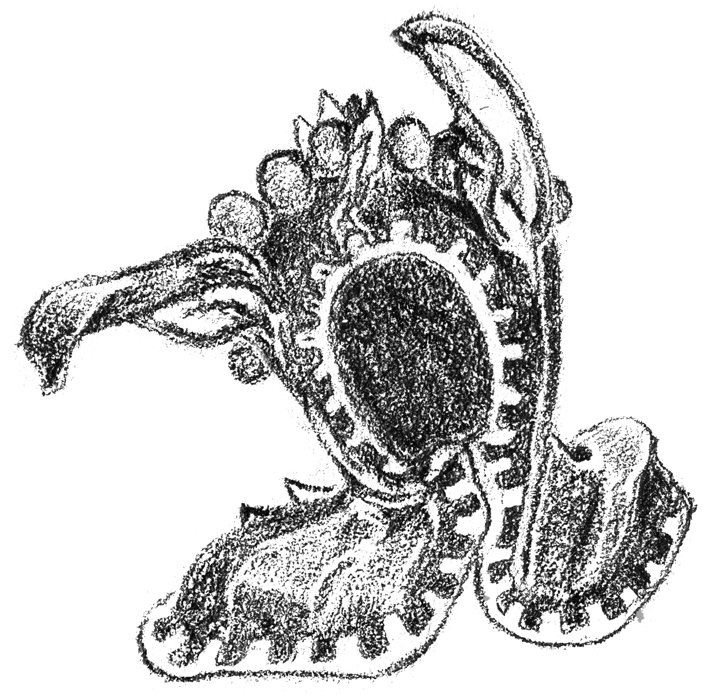


Jesters are historical figures known for their humour and for being the only people allowed to mock a monarch in the Middle Ages – as long as it was with humour. Only a jester could poke fun at the established order without fear, and for Peters they remain relevant figures that offer resistance to anything or anyone who wields influence or power. The artist also sees parallels between jesters, himself, and the role artists can play in the present day, taking on the role of humorous truth-tellers.
Put on the jester’s hat yourself and discover the spectacle of BARBARIAN through the jester’s perspective. What or who actually holds power over us today? Is it our fears, is it death, or is it the traditional figure of authority? Do we actually dare to resist what holds us in its grip, or is it simply easier to obey?
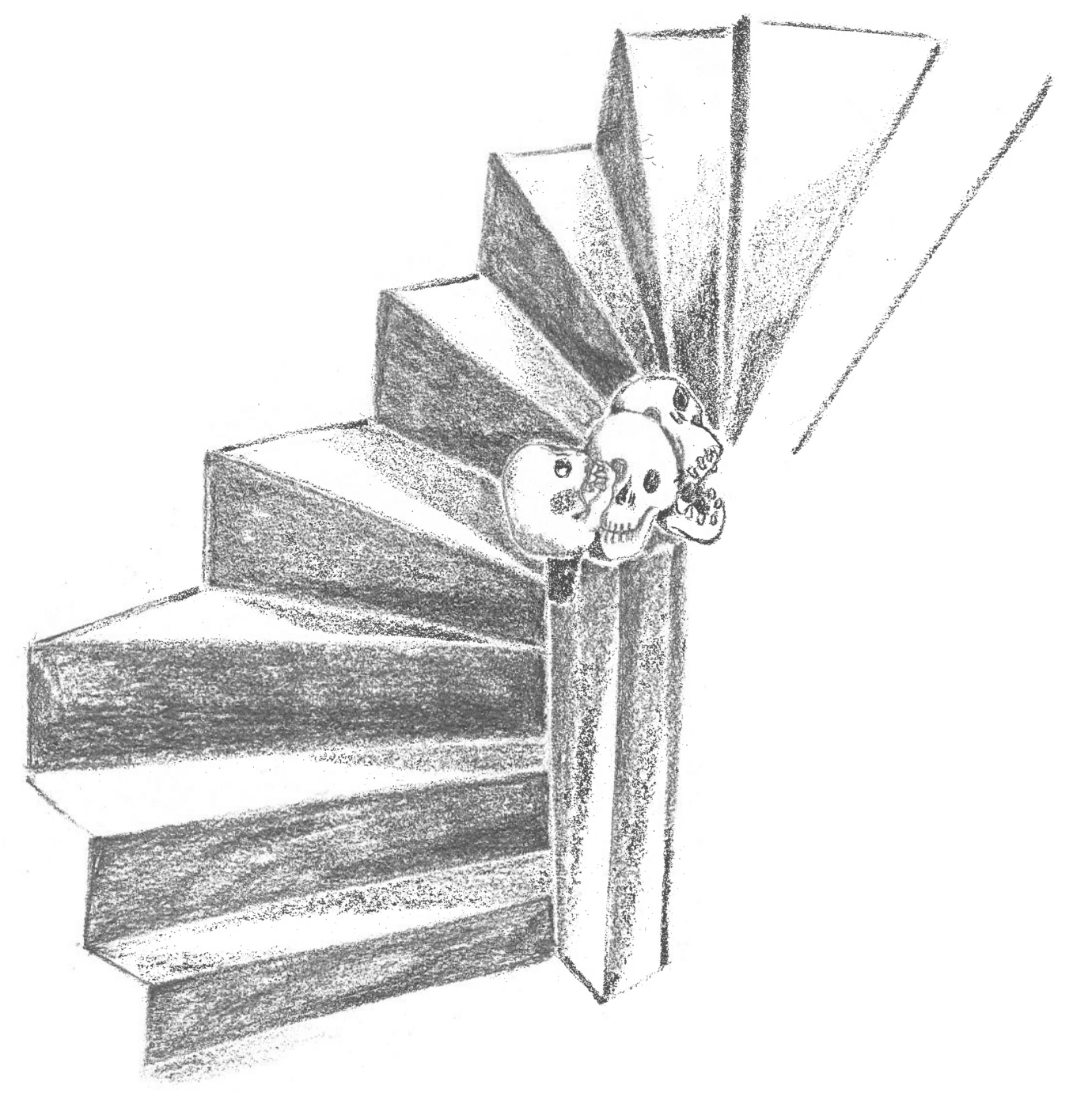
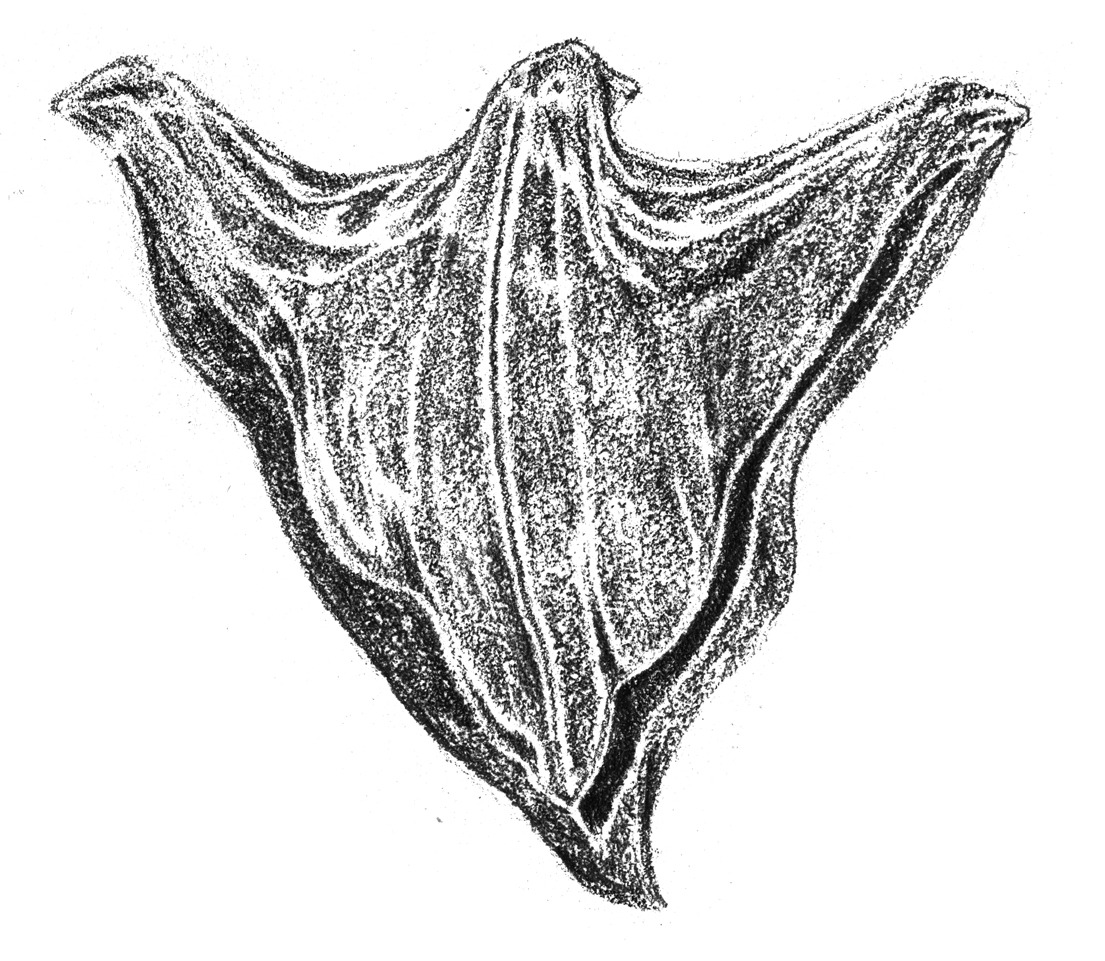


Haunted houses need ghosts. For centuries, people have been telling stories of ghosts, spirits and apparitions in old houses, castles or religious buildings. Ghosts are often seen as nasty or gruesome creatures doomed to wander the earth until the end of time, but there is also a long tradition in comics, animated films and the visual arts that portrays these pale, shapeless figures as ridiculous and comical. Phantom reflects this in a ghostly figure clumsily dancing high up in the Monopole stairwell.
In many haunted houses, ghosts are lifelike but see-through, often using the so-called ‘Pepper’s ghost technique’ that uses an angled glass panel, light and a hidden space to create the illusion of transparency. Little of this magic applies to the Monopole ghost, but it tries its best to give you a fright from behind its white sheet. In doing so, it asks how real our fears really are. Are they actually about ghosts, or just our own fears that we project onto them?
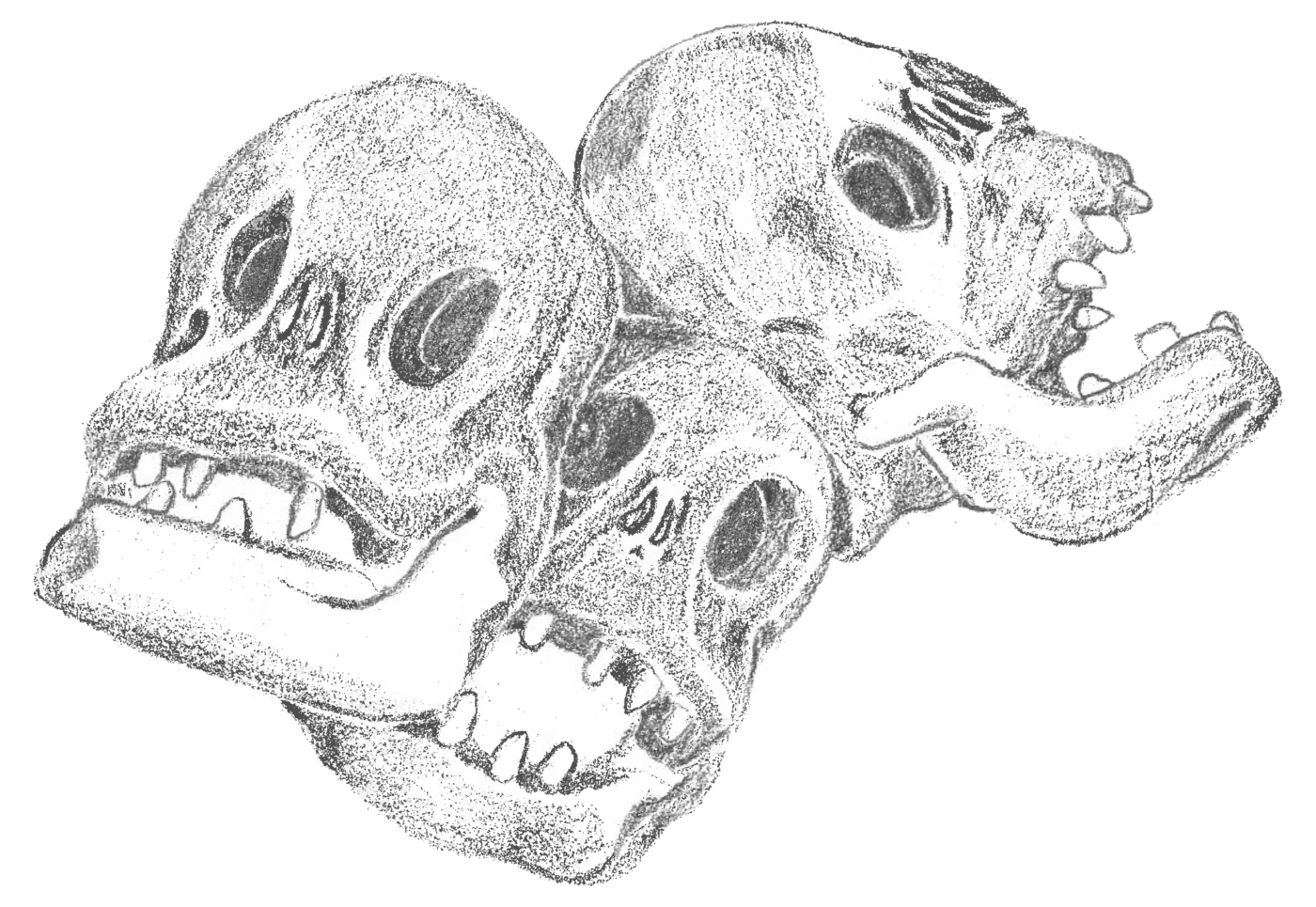


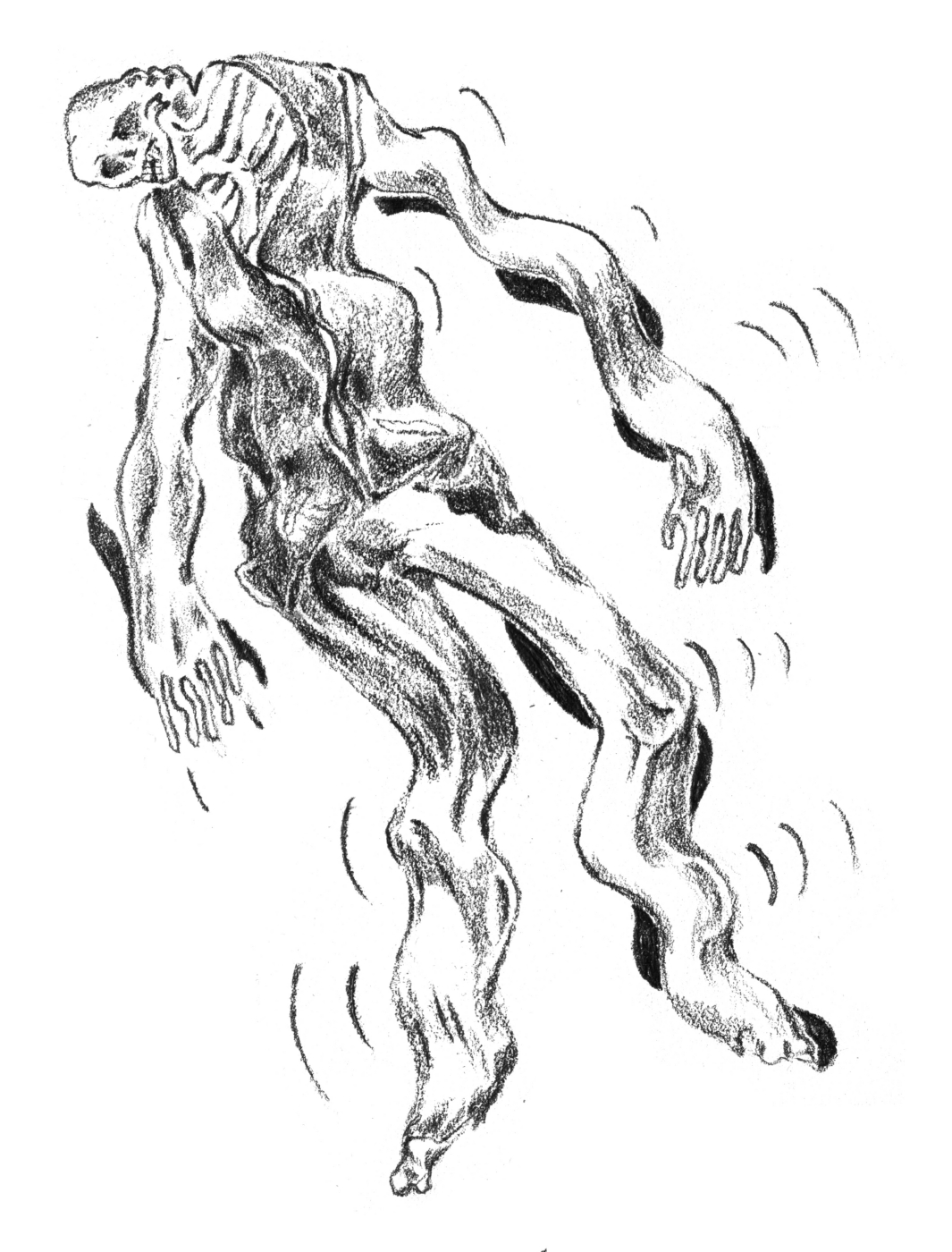
These sculptures are inspired by the toys you wind up and watch spring backwards before landing on their feet. The skulls are stacked on top of one another, their jaws clattering as if with laughter. They are inspired by Danse Macabre (Dance of death), a famous musical poem from 1874 by French composer Camille Saint-Saëns. It tells the story of Death playing his violin at midnight, inviting skeletons to dance out of their graves. People were already intrigued by the ‘dance of the dead’ in the Middle Ages as it reminded people that no one could escape their fate: death always has the last laugh. This space bears a resemblance to underground burial chambers called catacombs, where Peters sets his own version of Danse Macabre.
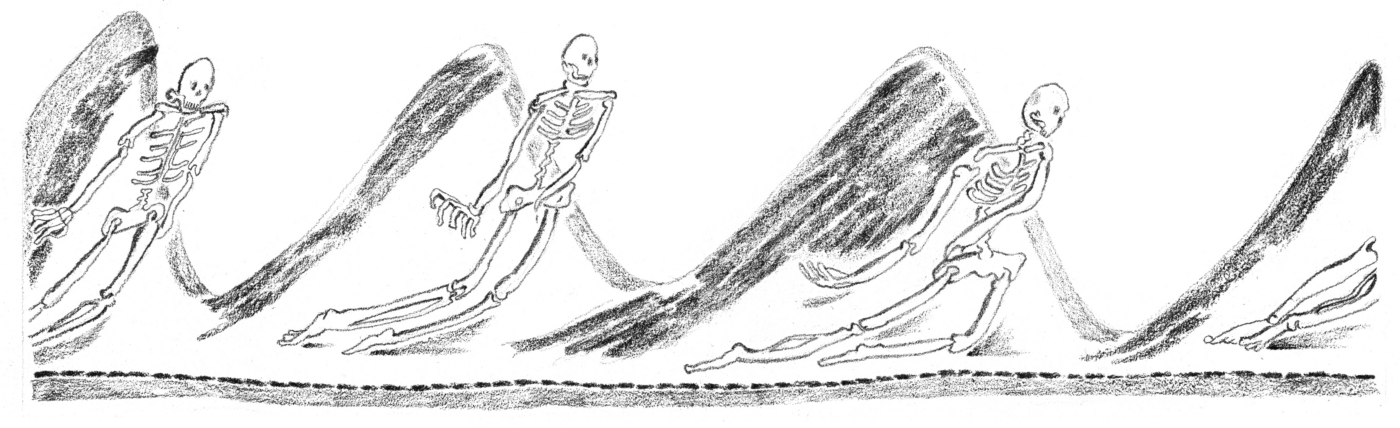
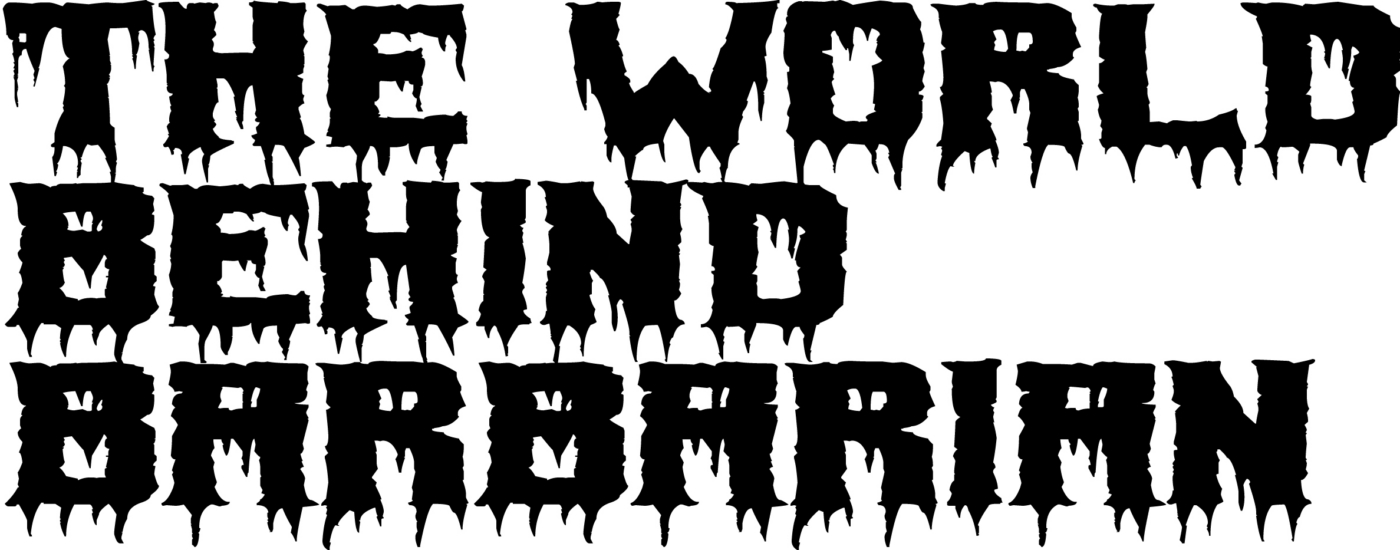
Haunted houses, jesters, skulls and mazes together form the inspiration for BARBARIAN. Throughout his life, Oscar Peters has been fascinated by the way people depict the scary, the repulsive and the occult. There is also a long tradition of visualising fear across different cultures, expressed in art, stories, books, comics, games and toys.
Discover the collection Peters has been building since his early childhood and continues to add to. Board games, comics and richly illustrated books unfold to form a world of their own, each one of enormous value for the artist. I find toys and game designs really interesting, not just in terms of how they look, but also the mechanics and the rules the players follow. They’re small universes that function differently from the real world, and they always hold up an interesting mirror to how we as people live and act in the real world. It might just make you look at reality in a completely different light.’